
You've outgrown the prototype. It proved that the product works — now it needs to be built.
We start with an audit, not a quote.
Your prototype worked. Then you tried to change it.
If you built it with AI or no-code, this probably sounds familiar:
This isn't a bad tool. It's the ceiling of prompting without engineering.
Let's talkReplaces what the platform can't do. Orders, operations, reporting, admin, dashboards per role.
Sometimes the problem is small and we say so. The structure holds, specific parts get rebuilt.
When the structure is the problem and patching only delays it. Built to keep changing.
We don't hand it over
and disappear
Scoped monthly like everything else
Most clients keep going: the first system is rarely the last one


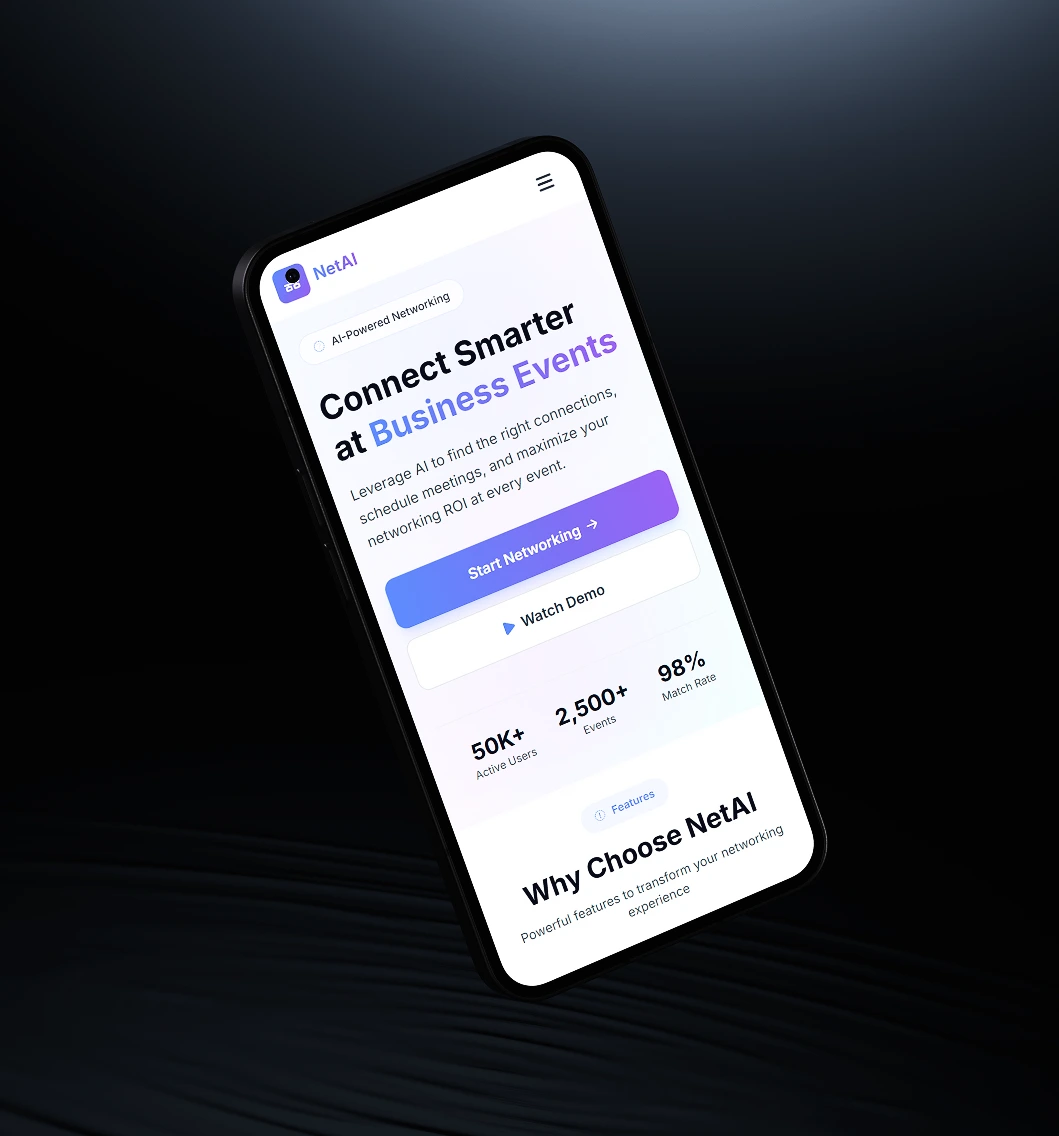
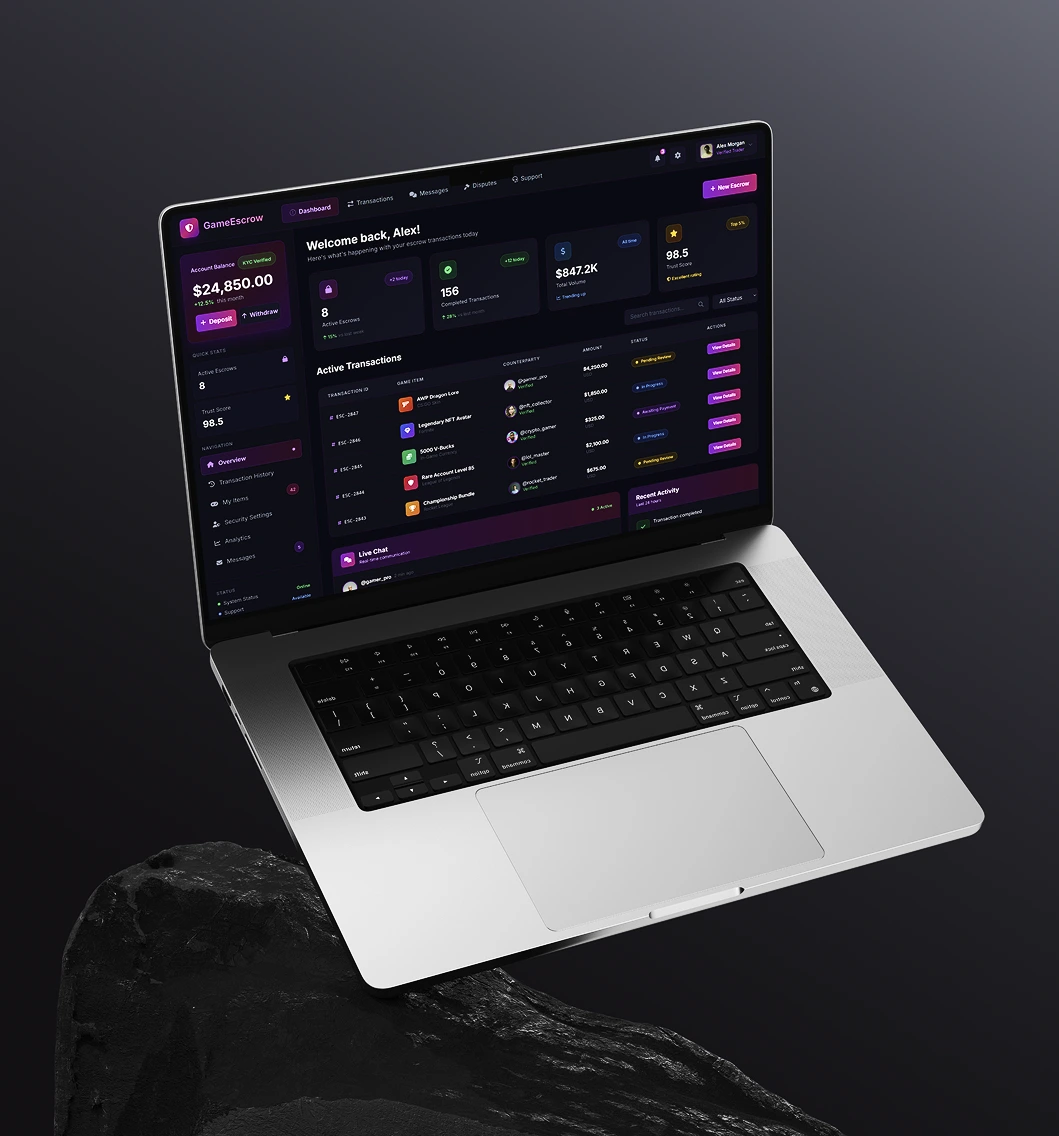
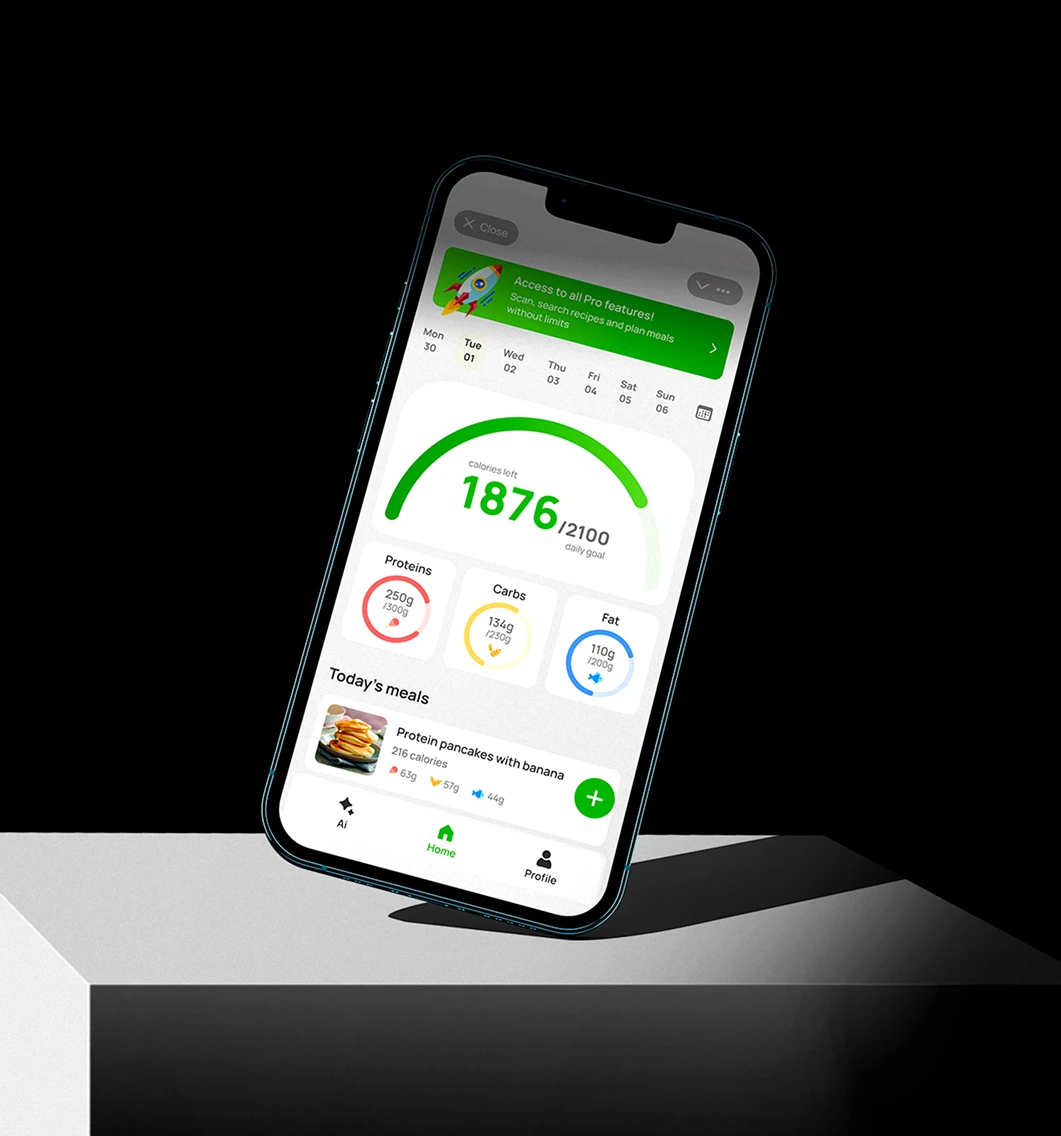
Our work through
our clients’ eyes

Staging link in week 2. Demo every Thursday. Final invoice matched the number from day one. I don't know what else to say — that just never happens.

Event date was fixed. They knew. We launched 7 days early and nothing broke on the day. Honestly still a bit shocked.
I’ve worked with other devs before. The key wasn’t the code — it was a clear scope doc from day one with an IN/OUT list. Any extra request: in scope or re-price. No games.
I’d been talking to agencies for three weeks — decks, discovery calls, “let’s align on vision.” Caemcore sent scope questions on day one. By the end of the week, we had a price range and timeline.
Honestly, I was nervous handing over the repo mid-build to check quality. But it was senior-level code: clean structure, clear comments — the kind that shows the person has shipped before.
We changed our minds on one feature mid-build. Got a straight answer: here's what it affects, here's the re-price, yes or no. No guilt trip, no hidden fees later. Just a decision.
Staging link in week 2. Demo every Thursday. Final invoice matched the number from day one. I don't know what else to say — that just never happens.
Event date was fixed. They knew. We launched 7 days early and nothing broke on the day. Honestly still a bit shocked.
I’ve worked with other devs before. The key wasn’t the code — it was a clear scope doc from day one with an IN/OUT list. Any extra request: in scope or re-price. No games.
I’d been talking to agencies for three weeks — decks, discovery calls, “let’s align on vision.” Caemcore sent scope questions on day one. By the end of the week, we had a price range and timeline.
Honestly, I was nervous handing over the repo mid-build to check quality. But it was senior-level code: clean structure, clear comments — the kind that shows the person has shipped before.


We start with an audit, not a quote
You get the honest version either way: what we keep, what we rebuild, what it costs, how long.
Everything you want to know without the fluff
(01)
What can you build for my business?

We build custom software around how your business works: internal systems, integrations between the tools you already use, reporting, web and mobile apps, and products from scratch. We can build on top of your existing software or replace what's no longer working. Where AI belongs inside a system — handling incoming orders, sorting requests — we build it in. We don't sell AI as a product of its own.
(02)
Do I need to know what I need before contacting you?
No. Tell us what isn't working, what takes too much manual effort, or what your current software can't do. Working out what should be built — and whether custom software is even the right answer — is our job, not yours.
(03)
Can you work with the software we already use?
Yes, and it's often the cheaper answer. We connect what you already run — POS, CRM, accounting — and build the missing part around it. Replacing everything is rarely necessary.
(04)
How much does custom software cost?
It depends on what's being built. Focused work on top of an existing setup starts around $7k; a full system runs to $40k. You get a specific range and timeline before development starts, and the final invoice matches the number we gave you on day one.
(05)
Why does this cost more than hiring a freelance developer?
Because the price includes the parts that get skipped when software is built cheaply: architecture that survives changes, roles and access, integrations that don't break when a system updates, deployment that doesn't take you offline. That's what decides whether you can still change the software a year from now. A cheap build is cheap because it skips that, and you pay for it later — usually by rebuilding.
(06)
Do you use AI to build it?
Yes, as a tool. It's good for scaffolding, refactors and tests, and it makes us faster. Every line that reaches production is reviewed by an engineer who understands the system. What we don't do is let AI decide the structure — that's the difference between software you can keep changing and software that stops responding to change.
(07)
What if I already have a prototype that's difficult to change?
Common one. We assess it and tell you what should stay, what should change, and whether rebuilding makes sense. Sometimes the problem is small and we say so. Sometimes the foundation is the problem, and patching only delays it.
(08)
What happens when I contact you?
You don't need a technical specification. Describe the problem in your own words. We'll ask the questions we need, then give you 30 minutes with a clear answer: what this actually is, whether it needs building, a price range and a timeline. You get that whether we work together or not.



Manage cookie settings
